
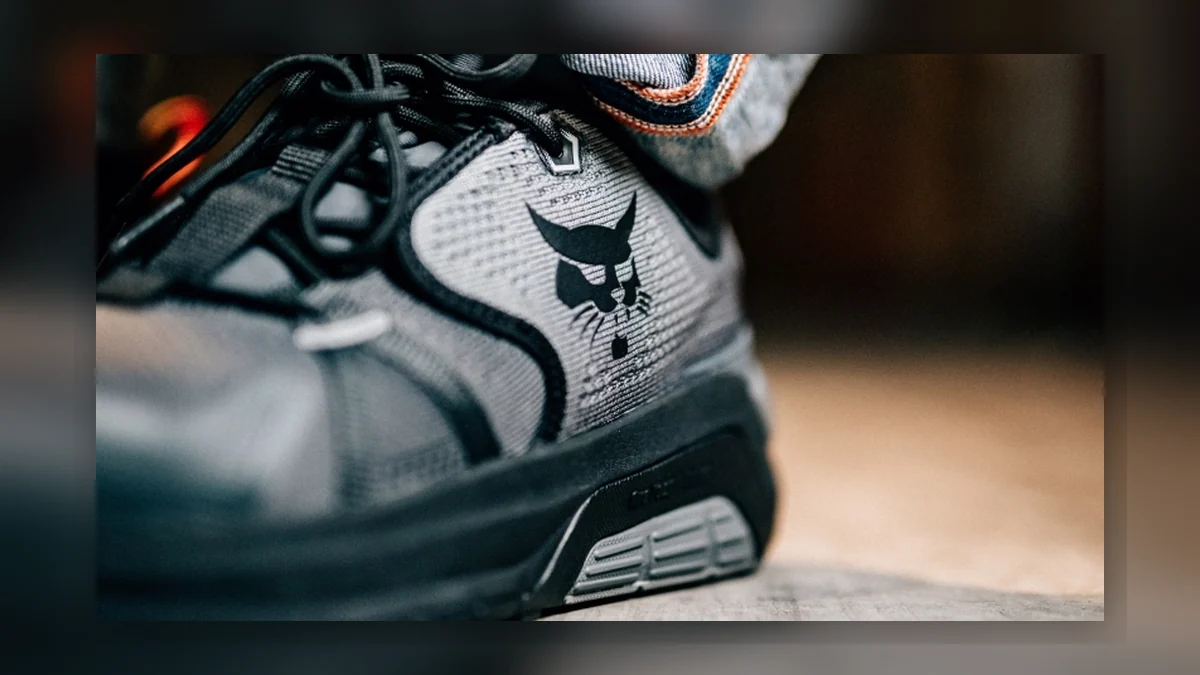
Brand: Bobcat Safety Footwear, Overland Shoes
---
England just had its warmest June on record. The Met Office is forecasting the third heatwave of the summer this week. And if you are pulling on the same pair of safety boots you wear in February, you are making your day harder than it needs to be.
Overland Shoes, the company behind Bobcat Safety Footwear, is using this heatwave moment to push a straightforward point: heat-appropriate safety footwear matters, and many workers are not thinking about it.
What happens to your feet in the wrong boots when it is hot
The problem with wearing general-purpose or winter-rated safety boots through a heatwave is not just comfort. A boot that does not breathe traps heat against the foot. Over the course of a working day in 30-plus degree temperatures, this creates a warm, damp environment that accelerates blistering and skin breakdown. It also contributes to heat stress, which does not stay in your feet. Core body temperature rises when the body cannot shed heat effectively, and that affects concentration, reaction speed, and judgement.
On a construction site, a reduction in concentration is a safety event waiting to happen. Falls, tool accidents, and handling errors all increase when workers are fatigued or overheated.
There is also the straightforward discomfort factor. A worker whose feet hurt is a worker who is moving less carefully, taking shortcuts, and not thinking clearly about where they are standing or what they are handling.
What to look for in a summer-rated safety boot
Not all safety boots are equal when it comes to heat management. The features worth looking for include:
Breathable upper material. Full-grain leather is durable but not breathable. Modern composite and textile upper materials allow significantly more air movement, which helps regulate foot temperature throughout the day.
Moisture-wicking lining. The internal lining is often overlooked. A wicking lining pulls sweat away from the foot rather than letting it pool, which reduces the risk of maceration (the softening and breakdown of skin from prolonged moisture contact) and blistering.
Lightweight sole unit. Heavier soles add to overall boot weight, which increases effort per step. In hot weather, this contributes to fatigue more quickly than in cooler conditions.
Heat-resistant outsole. This is a separate consideration from comfort. Certain work environments, particularly roofing, paving, and any surface in direct sunlight, see ground temperatures that can exceed 60 degrees Celsius. An outsole rated for heat contact protects the structural integrity of the boot and, in extreme cases, prevents heat transfer through the sole to the foot.
Low ankle or trainer-style cut. For trades where ankle support is not the primary concern, a lower-cut safety trainer or boot allows more air circulation around the ankle and lower leg.
The Bobcat Safety Footwear range
Bobcat Safety Footwear from Overland Shoes addresses the summer workwear gap with a range that covers multiple safety ratings and sector requirements. The brand is specifically drawing attention to summer-appropriate options within the range at this point in the season, given the forecast conditions.
The Bobcat range covers S1P and S3-rated options, the two most common requirements on UK construction sites. S1P is the minimum for most general construction work, covering toe protection, energy absorption at the heel, anti-static properties, and penetration resistance in the sole. S3 adds water resistance and a midsole penetration-resistant plate.
Both ratings are achievable with lightweight, breathable construction that does not require a heavy leather upper or a thick insulated lining.
What UK regulations say about PPE in heat
There is no specific UK law that sets a maximum working temperature for outdoor workers, and HSE guidance does not currently mandate a particular type of PPE for hot weather beyond the standard requirement to provide appropriate protection for identified hazards. But the general duty under the Health and Safety at Work Act 1974 does require employers to ensure the health and safety of employees, and providing PPE that becomes a hazard in itself through contributing to heat stress is not compliance with that duty.
For site managers and safety officers, now is a reasonable time to check the PPE specification against current conditions and consider whether the boots being worn on site are appropriate for the temperatures expected this week.
---
What safety boots are best for hot weather?
Can hot weather make safety boots dangerous?
What is the difference between S1P and S3 safety boots?
What temperature does the ground reach in direct sunlight?
Do I need different safety boots for summer and winter?
Who makes Bobcat Safety Footwear?
- Professional Builder
- Reference image: Bobcat Safety Footwear summer heatwave