If you have ever had tools stolen from a van and tried to claim on insurance, you already know the problem. You file the claim. The insurer asks for a full list of what was taken, the purchase dates, the values. You piece together what you can from memory, old receipts, and bank statements — and somewhere in that process, a claim that should be straightforward starts to look complicated. Tools bought years ago. Receipts not kept. Values disputed.
That friction is what Superscript and KYNEKT are attempting to solve with their new combined service.
---
The scale of the problem
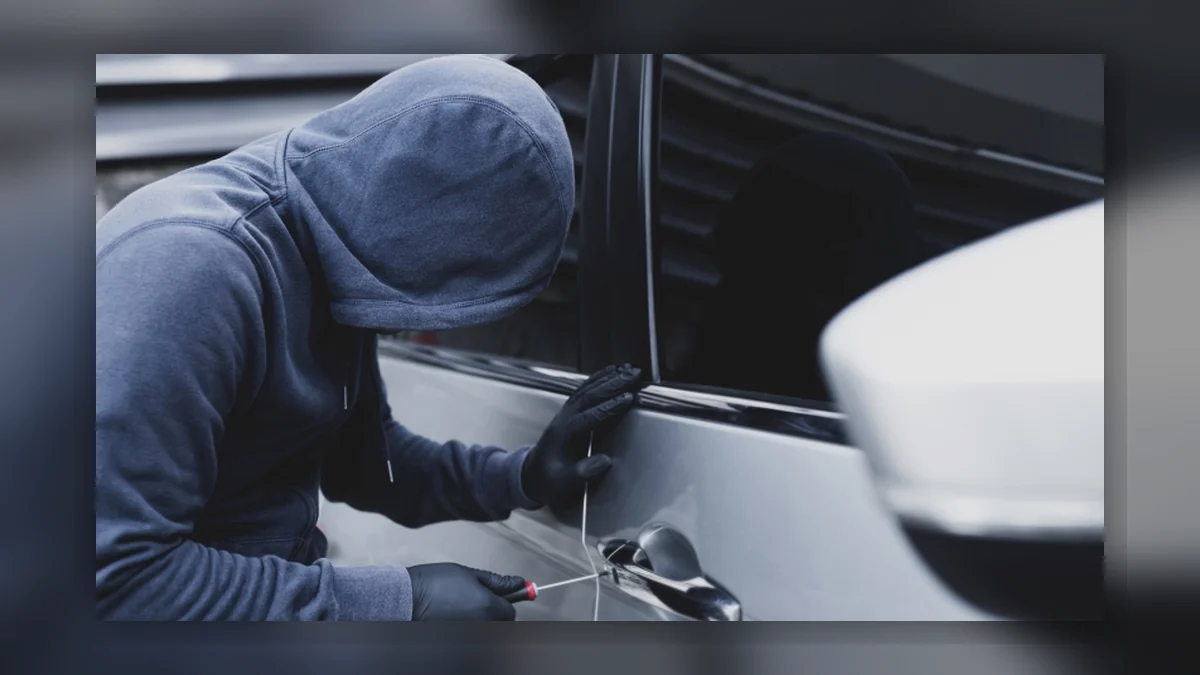
Tool theft from vans is one of the most common crimes affecting UK trades. Vehicles parked overnight on residential streets, outside domestic sites, or in contractor car parks are all regular targets. The value of tools in a typical trades van — when you add up power tools, hand tools, test equipment, and accessories — runs to thousands of pounds. For a sole trader, a single theft event without adequate cover can mean days off work while kit is replaced, or worse, turning down jobs.
The insurance side of things is widely available. Van insurance and commercial tools-in-transit policies exist across the market. The problem has never been buying insurance. It has been proving the claim.
---
Why tool theft claims are difficult
Two things make tool theft claims harder than they should be:
Proving ownership. An insurer needs to know what you actually owned. For professional trades, a kit that has been built up over several years across dozens of transactions is genuinely difficult to document after the fact. Many tradespeople do not keep receipts. Some tools were bought second-hand. Others were bought by an employer years ago and eventually acquired as an individual.
Proving value. Tools depreciate, but a worn Milwaukee combi drill that still works perfectly is worth real money to replace. Establishing replacement value — rather than the depreciated book value an insurer might default to — requires clear records of make, model, condition, and purchase date.
Without those records, claims either get paid at a lower value than the real loss, or they get contested entirely.
---
What Superscript and KYNEKT are doing differently
Superscript is a UK digital commercial insurance provider focused on small businesses and sole traders. Their policies are designed to be simpler to buy and manage than traditional broker routes.
KYNEKT offers a tool inventory and management platform. The core function is straightforward: you register your tools in the system, log their details, and maintain a live record of your kit.
The partnership links these two things. When you hold a Superscript insurance policy and use KYNEKT to manage your tool inventory, the two systems communicate. Your tool register is not a separate document you have to produce in the event of a claim — it is already part of the insurance record.
That changes the claims experience meaningfully. Instead of scrambling to reconstruct a tool inventory from memory after a theft, you have a verified, timestamped record already in the system. Proof of ownership and documented value become a feature of the policy rather than a challenge to meet at the worst possible moment.
---
Who this is most relevant for
Any tradesperson who stores tools in a vehicle overnight is the primary audience. In practical terms, that covers most of the UK trades workforce: electricians, plumbers, carpenters, decorators, groundworkers, and anyone else whose livelihood depends on a kit they move around with.
It is also relevant for small building companies that are insuring multiple vehicles and multiple sets of tools, where maintaining an accurate centralised inventory is genuinely useful day-to-day, not just at claim time.
---
What you need to do
The service works on the assumption that your tool inventory is accurate and maintained. That means:
Registering tools when you buy them, not retrospectively. A claim submitted six months after a theft, for tools never entered into the system, is still going to be complicated.
Keeping the inventory current. Tools that are sold, written off, or replaced should be updated in the system. An inventory that shows tools you no longer own is not just useless at claim time — it can complicate a legitimate claim.
Understanding your policy limits. Tool insurance policies have per-item and overall limits. Knowing where those limits sit relative to your actual kit value is important before you need it.
---