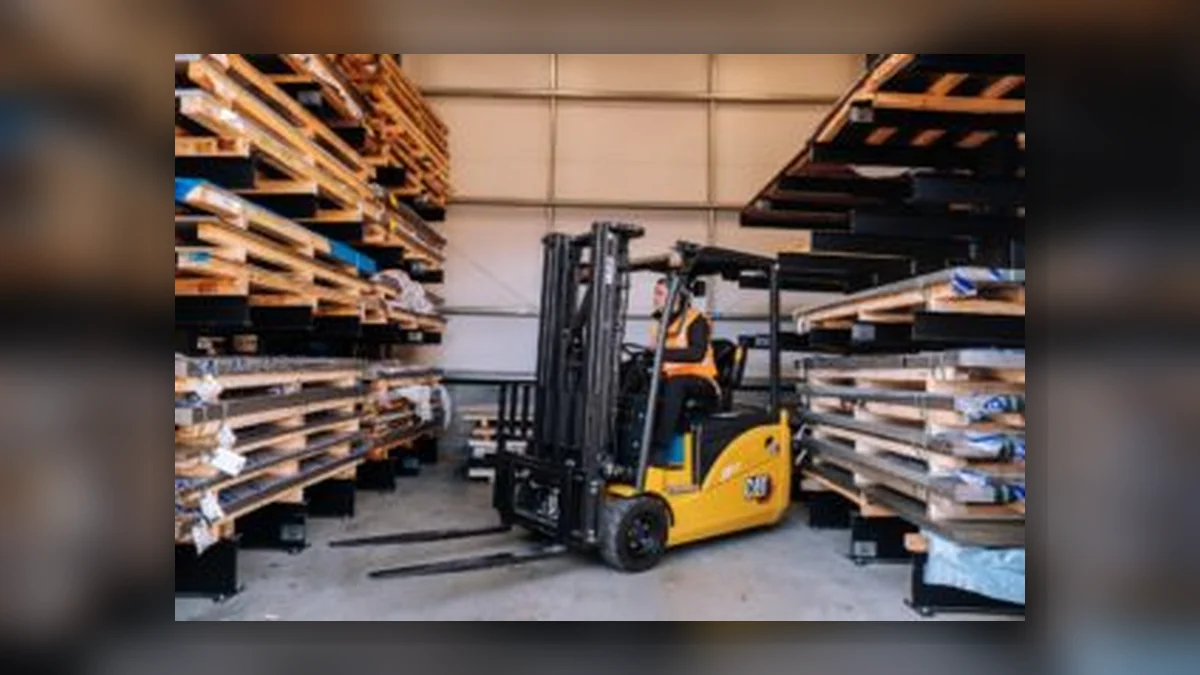
Forklifts and other materials handling kit tend to be background equipment for builders' merchants and construction firms — nobody thinks much about the counterbalance truck shuttling timber and blocks around the yard until it breaks down mid-delivery. That's exactly the habit Impact Handling, the UK materials handling group now trading under the pan-European Aprolis brand, is trying to change, arguing that merchant and construction fleets need a proper replacement strategy rather than a reflexive like-for-like swap when a machine finally gives up.
The case against waiting for failure
The traditional approach — run a forklift until it's unreliable, then replace it with whatever spec was on the yard before — is increasingly the expensive option. Long equipment lead times mean many businesses are already keeping trucks in service well past when they'd originally planned to change them, whether they intended to or not. That makes availability planning just as important as picking the right spec: if you wait until a machine fails to start the ordering process, you can be looking at a lengthy gap with reduced handling capacity while the replacement works its way through the supply chain.
There's also a hidden cost curve to running equipment into the ground. By the time a forklift is unreliable enough that everyone on site has noticed, it's usually already costing more in repairs, delivering less uptime, and creating knock-on disruption to loading and yard operations — costs that don't show up as a single big number but erode margins steadily in the run-up to eventual replacement.
Setting replacement triggers instead of waiting for breakdown
The alternative being proposed is to set fleet replacement triggers in advance, based on a combination of factors rather than a single mileage-style cutoff:
- Hours on the clock — the most basic usage measure, but only one part of the picture.
- Maintenance history — a machine needing more frequent intervention is telling you something before it fails outright.
- Operating cost trend — tracking whether the cost per hour of keeping a specific truck running is climbing over time.
- Application fit — whether the truck's spec still matches what it's actually being asked to do, which can drift as a yard's stock mix or delivery pattern changes.
Planning around these triggers, rather than reacting to a breakdown, gives a business the lead time to order a replacement before capacity is lost, and the opportunity to reassess whether the next truck should be specified differently — including whether an electric model now makes more sense for the application, an angle Impact Handling flags directly given its electric forklift range.
Why this matters for UK trades and merchants
For builders' merchants and construction firms running their own materials handling fleet, this isn't really a story about a single product launch — it's a prompt to look at how forklift and handling equipment decisions get made on your own site. If replacement decisions are currently driven by "it broke, order another one," you're likely paying for that reactive approach in downtime and creeping repair bills without ever seeing it as a single line item.
Practical next step: pull together basic hours and maintenance records for your current handling fleet, even informally, and use them to flag which trucks are approaching a sensible replacement window before they force the decision on you. If you're due a replacement anyway, it's also a reasonable point to get a fresh quote on electric options against your usual diesel or LPG choice, given how much running costs and duty cycles have shifted in that market.
---