
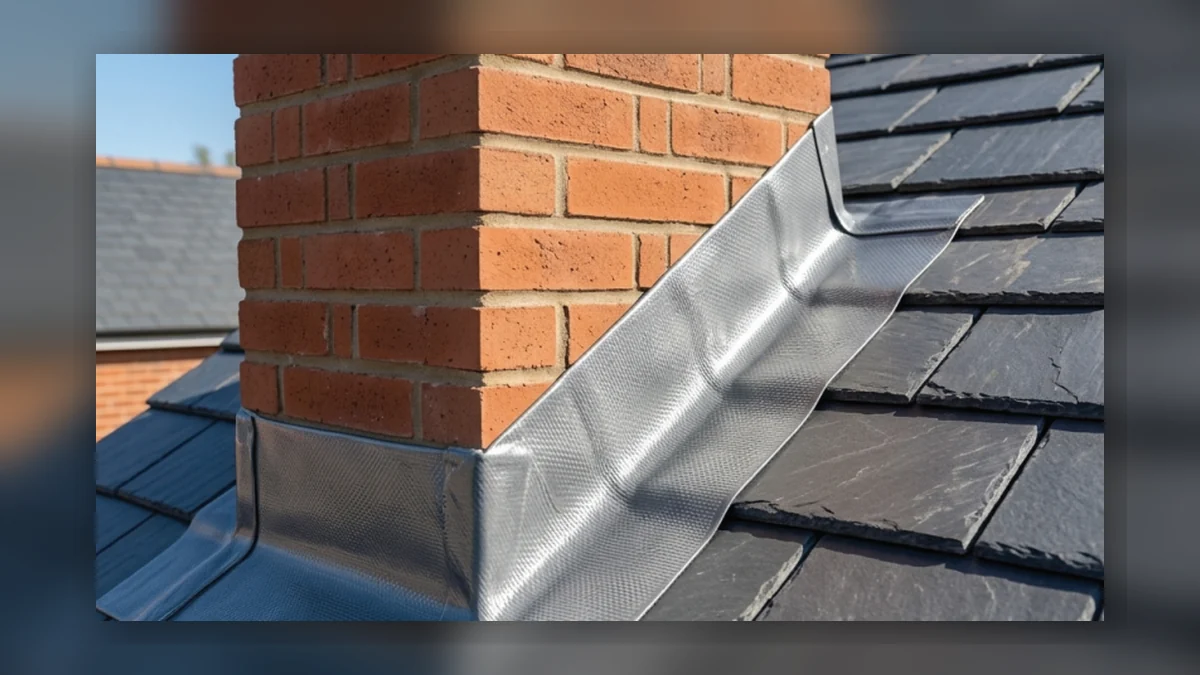
Lead has been the default flashing material on British rooftops for well over a century. It bends easily, seals reliably, and lasts decades when fitted correctly. But its days are numbered. A combination of tightening health and safety legislation, persistent roof theft, and growing restrictions on lead in landfill has pushed the roofing trade towards alternatives that now do the job just as well without the drawbacks.
---
Why Lead is Losing Ground
Health and safety rules are getting tighter. Lead is a hazardous substance. Working with it requires appropriate PPE and waste disposal procedures, and regulatory pressure on lead use in construction has been building steadily across both UK and European frameworks. While outright prohibition in roofing has not yet arrived, the compliance burden is increasing.
Roof lead theft remains a significant problem. A roll of lead flashing on a roof represents a straightforward target for thieves. Churches, heritage buildings, and domestic properties have all been hit repeatedly. Insurance premiums for properties with lead roofing reflect this risk, and some insurers now factor in the material when writing commercial and listed-building policies.
Landfill restrictions are narrowing disposal options. Waste lead cannot simply go in a skip. Correct disposal requires a licensed carrier and proper documentation, adding cost and administration to every job. As environmental regulations tighten further, the hassle factor is rising.
---
What Lead-Free Flashing Actually Does
Flashing sits at the junction between a roof covering and a wall, chimney, skylight, or parapet. Its job is to bridge that join and prevent water from penetrating behind or beneath the roof material. Without it, water tracks along the surface and finds a way in, often appearing inside the building some distance from where it actually entered.
Lead has always worked well because it is soft enough to dress tightly into irregular surfaces and durable enough to stay sealed through temperature cycles. Any alternative has to match those properties across real-world conditions: hot British summers, cold winters, and the constant movement that comes with thermal expansion in masonry and timber.
---
The Alternative: DEKS Fast Flash and Similar Products
DEKS Fast Flash is among the products actively taking on this role in the UK market. It is a self-adhesive flashing tape rather than a formed lead strip, which changes the installation method significantly.
Instead of cutting, bending, and dressing lead by hand, the installer cuts the tape to length, peels the backing, and presses it into position. A roller or seam tool beds it down into the surface profile. The adhesive layer bonds to brick, concrete, timber, felt, and most roof membranes without a primer on clean surfaces.
The result is a waterproof, UV-resistant seal that handles the same thermal movement that lead manages, but without the weight, the health hazards, or the theft attraction of the metal. Products in this category typically come in roll widths that mirror standard lead codes: 150mm, 200mm, 300mm rolls cover most common flashing situations including verges, valleys, step flashings, and chimney back gutters.
In plain terms: where lead weighs roughly 11kg per square metre and requires specialist forming skills, modern self-adhesive flashing weighs a fraction of that and can be installed by any competent roofer without a specific lead qualification.
---
Where It Works and Where to Be Careful
Self-adhesive flashing tapes perform well on:
- Chimney abutments on tiled and slated roofs
- Verge and ridge details
- Skylights and roof windows
- Lean-to and flat roof upstands
- Step and counter flashings on masonry walls
The surfaces need to be clean, dry, and free of loose material. Cold weather can affect adhesive performance, so application in temperatures below around 5 degrees Celsius may need a primer or warm conditions to achieve a proper bond. Most manufacturers publish minimum application temperatures and specify whether their product is self-sealing at overlaps or requires additional tape.
For heritage and listed buildings, local authority planning or building control may still specify traditional lead to match original construction. Always check requirements before specifying an alternative on a protected or conservation property.
---
The Skill Shift for Roofing Tradespeople
Lead work takes real practice. Dressing lead neatly around a chimney or into a stepped detail is a skill developed over time and one that good roofers are rightly proud of. The move to self-adhesive systems changes the technique but not the need for accuracy: a badly positioned or unbonded tape will fail just as surely as badly dressed lead, just perhaps less obviously at first.
For apprentices and newer tradespeople, the learning curve on tape-based systems is shorter. For experienced lead workers, it is a case of adapting an eye for detail to a different material rather than starting again.
---
Is lead flashing still allowed in the UK?
How long does lead-free flashing tape last?
Does lead-free flashing pass UK building regulations?
Can I use adhesive flashing tape on a chimney?
What is the difference between lead codes and flashing tape widths?
Why do thieves target lead on roofs?
- Lead free flashing
- DEKS Fast Flash referenced in Professional Builder coverage