
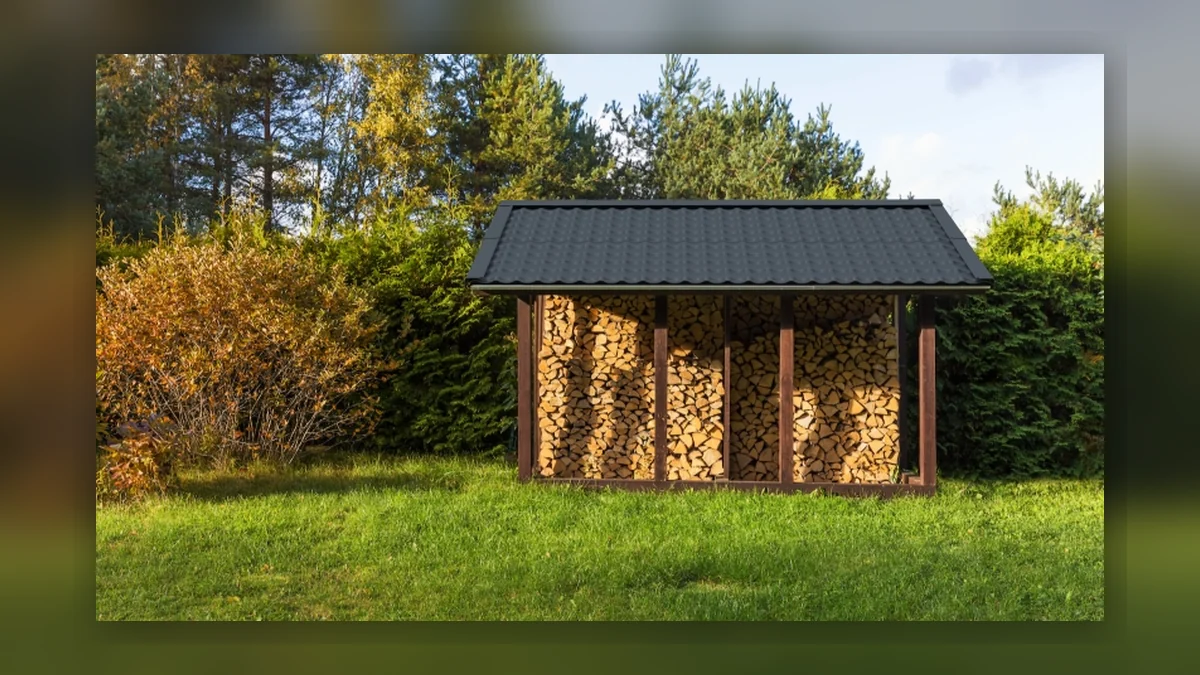
Onduline has launched a new roofing system called INNOLINE through its UK distribution partner Ariel Plastics, and its target market is the outdoor buildings sector: garden rooms, sheds, stables, summerhouses and similar structures. The launch is a useful prompt to look at roofing options for outbuildings as a category, because there are more choices available than most builders quote by default, and the right one depends heavily on pitch, budget, durability expectations and the aesthetic the client wants.
Why outbuilding roofing is different
A main house roof typically has a meaningful pitch, will be covered in tiles or slates, and is expected to last 40 to 60 years with minimal maintenance. Planning permission thresholds, building regulations requirements for U-values and weatherproofing, and the need for matching materials to the existing property all constrain what you can put on it.
Outbuildings operate under different rules. Many are permitted development. Some are so small that the roof covers 10 square metres. The pitch can be anything from near-flat to a gentle lean-to slope. Cost sensitivity is high because the client is often spending discretionary money on a garden building rather than essential maintenance. And the materials palette is genuinely wide.
Option 1: Corrugated bitumen sheet (Onduline and similar)
Corrugated bitumen roofing sheet, most commonly associated with the Onduline brand, is the default product for most self-build shed kits and lower-cost outbuildings. The sheet is made from compressed cellulose fibre saturated with bitumen, which makes it lightweight, easy to cut with a standard saw, and waterproof. It comes in a corrugated profile that provides structural rigidity without additional purlins at every run, and the range of colours includes black, green and red as the most common options for UK applications.
Fixing is simple: nails or screws through the ridge of each corrugation into the rafter or batten below. Lap joints shed water without additional sealant. The product handles pitches from around 5 degrees upward comfortably. Below 5 degrees you need more overlap at the head joint or a different product.
Onduline's new INNOLINE system is positioned in the same market. The available details suggest it follows the same principle of a lightweight, easy-to-install corrugated sheet for outbuildings, with distribution through Ariel Plastics nationally. Material, dimensions and coverage rate have not been published at the time of writing, so check with Ariel Plastics directly when pricing a job.
Typical use: Garden sheds, stables, timber-frame summerhouses, bike stores, log stores. Working life: 15 to 25 years with reasonable maintenance. Pitch requirement: Minimum around 5 degrees for standard overlap. Installation skill: Low. Can be self-installed on simple structures.
Option 2: EPDM rubber membrane
EPDM (ethylene propylene diene monomer) is a synthetic rubber membrane that has overtaken traditional felt on flat and low-pitch roofs in the residential and garden building market. It comes in large sheets, often prefabricated to fit the specific roof, which means the number of joints on a standard garden room roof can be as low as one. Fewer joints means fewer potential leak points.
EPDM stretches without cracking (up to 300 percent elongation before failure in testing), handles UK freeze-thaw cycles well, and does not become brittle over time the way traditional felt does. Manufacturers typically back it with a 20-year guarantee, and correctly installed EPDM can outlast that comfortably.
Bonding is typically by full adhesion to a suitable deck (OSB3 or plywood), using a contact adhesive applied to both surfaces. The perimeter detail and any penetrations (velux upstands, pipe collars) are sealed with EPDM-compatible flashing strips and primer. It is a learned skill rather than a complex one: the adhesive is time-sensitive and the membrane needs to be positioned correctly before contact is made, but a builder who has done two or three jobs will be quick and confident.
Typical use: Flat-roof garden rooms, garages, extensions, low-pitch roof lanterns. Working life: 20 to 50 years. Pitch requirement: Down to true flat with correct falls for drainage. Installation skill: Medium. Requires correct adhesive application and perimeter detailing.
Option 3: GRP fibreglass roofing
GRP (glass reinforced plastic, also called fibreglass) is a liquid-applied system that cures to a hard, rigid surface. It is applied in two or three coats: a topcoat base, a woven glass fibre matting layer, and a finish coat. The result is a seamless, rigid roof that looks similar to a painted deck surface and is genuinely weathertight with no joints.
GRP is popular for garden rooms where the client wants a higher-quality finish, and for flat or near-flat roofs with irregular shapes or multiple penetrations where a membrane system would require numerous difficult joints. It is also resistant to foot traffic once cured, which matters if the roof is accessible or if rooflights will need periodic cleaning from above.
The trade-off is cost and skill level. GRP is more expensive than EPDM and requires proper mixing ratios, correct temperature conditions (cold weather slows or prevents curing), and consistent application technique to avoid delamination or pinholes. First-time installers will benefit from specialist training. Suppliers including Fibreglass Roof Direct and Cromar offer training alongside material supply.
Typical use: Garden rooms, oak-frame buildings, complex flat roofs, garage roofs. Working life: 25 to 40 years. Pitch requirement: Down to flat. Good for complex shapes. Installation skill: High. Training recommended before first use.
Option 4: Single-ply membrane (TPO or PVC)
Single-ply membranes are used extensively in commercial flat roofing and are gaining ground in high-end residential and garden room applications. TPO (thermoplastic polyolefin) and PVC membranes are welded at seams using hot air, producing a waterproof join as strong as the membrane itself. There are no adhesive joints that can peel.
The limitation is the welding equipment, which is specialist and expensive to own. Single-ply work is therefore usually carried out by roofing contractors with the right kit rather than general builders. For garden room builders pricing a premium product, subcontracting the roof membrane to a specialist while completing the structure and fit-out in-house is a common approach.
Typical use: Commercial flat roofs, premium garden rooms, large outbuildings. Working life: 20 to 30 years. Pitch requirement: Down to flat. Installation skill: Very high. Requires specialist welding equipment.
Option 5: Traditional felt and batten
Three-layer built-up felt is still used on outbuilding roofs, particularly on very low-budget projects and as a like-for-like replacement on older structures. Torch-on felt (where each layer is heat-bonded to the one below using an LPG torch) is more durable than nail-fixed cold-lay felt and is the preferred method for builders who use felt at all on new work.
The honest assessment is that felt has largely been superseded by EPDM and GRP for new garden room and outbuilding work in the last decade. The working life is shorter, the installation is more weather-dependent, and the products that replaced it perform better for similar or lower installed cost. Felt persists where an existing felt-and-bitumen substrate is being patched or replaced like-for-like, or on budget projects where the client's priority is initial cost above all else.
Choosing between them
Here is the practical decision tree for pricing a garden room or outbuilding roof:
Is the pitch above 5 degrees and the aesthetic is informal or rural? Corrugated bitumen (Onduline/INNOLINE or similar). Cheapest, quickest, effective.
Is it flat or near-flat, and the budget is mid-range? EPDM. Best combination of performance, cost and installation accessibility for most general builders.
Is it flat or near-flat, the client wants a premium finish, or the shape is complex? GRP fibreglass if you have the skills, or single-ply subcontracted to a specialist.
Is this a replacement on an existing felt roof? Torch-on felt if budget is the constraint; EPDM overlay if the deck is in good condition and the client will invest in a lasting repair.
What to quote and what to watch for
Garden room roofing is one of the categories where small differences in product specification lead to big differences in price, and clients often don't understand why. Be explicit about which system you're quoting, what the working life expectation is, and what the guarantee covers. "Flat roof" on a garden room sold as a kit may be designed for a very basic felt product; upgrading to EPDM or GRP will be a cost the client did not expect unless you put it in writing before contract.
For any flat roof, falls are the most important factor in long-term performance. A flat roof that holds water will fail early regardless of the membrane product. Minimum fall is typically 1:80 (around 12mm per metre). Build it into your deck construction if it's not already present.