
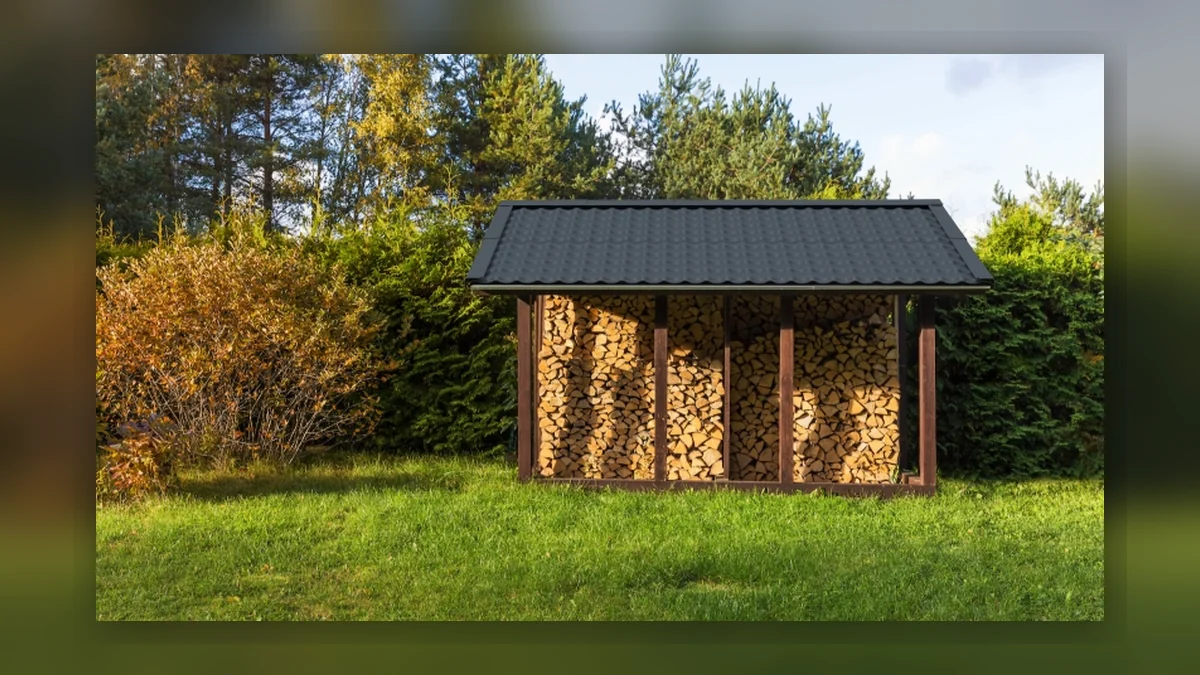
Garden rooms, sheds, stables, home studios, garages and timber-framed outbuildings have become one of the steadier streams of work for UK builders and landscapers over the last several years. The roofing side of these jobs is usually straightforward compared with a main-roof project, but it still catches people out — particularly when it comes to material choice, fixing method and how to price a job that doesn't justify bringing in a specialist roofing crew.
This guide covers the main options available to UK trades, what each one is good at, and how to approach a quote so you're not leaving money on the table or coming back to fix a call-out six months later.
---
Why outbuilding roofing is different from main-roof work
A domestic main roof is subject to planning requirements, Building Regulations Part L thermal performance targets, and usually a long-term warranty expectation from the homeowner. An outbuilding roof — once the building is below certain size thresholds and doesn't contain habitable space — sits outside most of those requirements. That gives you more material flexibility, but it also means the customer is often comparing your quote against a DIY option from a big-box shed retailer, and your job is to explain why a properly fixed professional job lasts longer and looks better for it.
It also means the job tends to be quicker, and material costs are lower. Where that catches trades out is on the quoting: the materials are cheap enough that underestimating your labour time or getting the coverage rate wrong can quickly turn a profitable afternoon into a loss.
---
The main roofing materials for outbuildings
Corrugated bitumen sheets
The most common material on small outbuildings, sheds, and stables. Corrugated bitumen sheets are lightweight, cheap, straightforward to cut and fix, and need no specialist skills beyond what any competent builder already has. Onduline is the dominant brand name in this category in the UK, and its lightweight sheets — typically around 3 kg per square metre — mean a single person can carry and fix them without lifting equipment.
The trade-off is that corrugated bitumen sheets are visible as a finish, so on a garden room or home studio where the owner wants something smarter-looking, they're usually not the right call. On a stable, agricultural building, workshop or no-frills garden shed, they're hard to beat on cost and speed.
Onduline has just strengthened its distribution partnership with Ariel Plastics with the launch of a new system called INNOLINE, which makes the range available nationwide through that distributor. If you're currently sourcing Onduline product and haven't spoken to Ariel Plastics, they're worth adding to your supplier list for outbuilding jobs.
Typical application: sheds, stables, agricultural outbuildings, budget garden buildings. Coverage rate: check the manufacturer data sheet for the specific product, but plan for a minimum 150 mm overlap on the corrugations and a minimum pitch of around 5 degrees on most products.
---
Roofing felt
Traditional two- or three-layer built-up felt is still widely used on flat or low-pitch outbuilding roofs, particularly on older timber-framed buildings where the substrate is already in place and only the covering needs replacing.
The downside is longevity. Standard mineral-surface felt on a felt-and-batten roof over a garden building might give you ten years in good conditions. On a flat roof in a west-facing or shaded position that doesn't drain cleanly, you can be back in half that time. For customers who want to avoid a repeat call-out, it's worth having the upgrade conversation.
Typical application: flat-roof repairs, budget sheds, extension of existing felt roofs.
---
EPDM rubber
Single-ply EPDM (ethylene propylene diene monomer) has largely taken over from felt on flat and very shallow-pitch outbuilding roofs where the budget allows. A correctly installed EPDM membrane, bonded to a solid deck, will typically outlast felt by a significant margin. Many manufacturers quote 25 to 50 years under normal conditions, though the honest answer for a UK garden room exposed to UV and freeze-thaw cycling is that mid-range performance is more realistic.
EPDM can be installed as a DIY product, but getting the bonding right — particularly at edges, outlets and penetrations — is where amateur installs tend to fail. A professional install with a properly detailed perimeter edge and any penetrations sealed correctly is what drives the longevity figures the material is capable of.
Typical application: garden rooms, home offices, garages with flat roofs, outbuilding renovations. Pitch requirement: EPDM works on very shallow pitches where felt would sit in standing water, but you still need enough fall to drain.
---
GRP fibreglass
GRP (glass-reinforced plastic) flat roofing is the premium end of the outbuilding flat-roof market. It's cold-applied in most modern systems, cures to a hard surface, and is seamless across the whole roof area. Labour is slightly higher than EPDM because you need to lay the glass fibre matting correctly and top-coat in a separate step, but the result is durable and can be walked on without damage.
For a garden room or home studio where the customer wants a clean, durable finish and is willing to pay for it, GRP is the material most likely to generate a recommendation rather than a call-back.
Typical application: quality garden rooms, home studios, garages, extensions.
---
Corrugated polycarbonate or clear sheeting
More commonly specified over pergolas, car ports or lean-tos where light transmission matters. Not a structural roofing solution for a habitable or high-value building, but useful for covered outdoor seating areas, bike stores, and passageways.
---
What to watch for when pricing outbuilding roofing
Deck condition. On a reroofing job, the single biggest hidden cost is a rotten deck. If the outbuilding has been sitting with a failed roof for any length of time, the OSB or boarding underneath may need replacing before you can lay a new covering. Price in access time to check this before you quote, and include a provisional sum for deck replacement rather than a fixed price if you can't inspect it properly.
Falls and drainage. Even a garden room that looks flat will have some fall built in — or should have. Check where water drains to. If it's currently running to a blocked gutter or straight off the edge onto a fence panel, that's worth flagging and pricing to fix properly.
Fixing method. Corrugated bitumen sheets fix into the battens with specific nails or screws and require the right number of fixings per sheet — under-fixing is one of the more common failures in amateur installs. EPDM needs to be correctly bonded with the right adhesive. Neither is complicated, but check the manufacturer specification rather than guessing.
Overhang. A minimal overhang on an outbuilding means water runs down the side wall rather than clearing it. Even a modest increase in overhang at the design stage dramatically reduces long-term maintenance.
Access. A small garden room at the end of a narrow plot with a side gate means getting materials in on your back one sheet at a time. Price accordingly.
---
What is the best roofing material for a garden room in the UK?
Can I roof a garden room myself?
What pitch do I need for an outbuilding roof?
How long does an outbuilding roof last?
What is Onduline INNOLINE?
Do I need planning permission to roof a garden room?
What's the cheapest way to roof a small shed?
Summary
Outbuilding roofing is one of those jobs that looks simple and usually is, but has enough variation in materials, substrate condition and access to make pricing from the kerb a risk. The material choice depends on pitch, budget, appearance requirements and how long the customer wants the result to last. Corrugated bitumen sheets are the go-to for sheds and stables where cost and speed are the priority; EPDM and GRP are the better call for quality garden rooms and home studios.
Onduline's new INNOLINE system, distributed nationally through Ariel Plastics, is worth adding to your sourcing options if you do a regular volume of outbuilding work. The established Onduline range is already well-proven on UK sites; the key next step is getting specification and pricing from Ariel Plastics before you quote a job.
---