
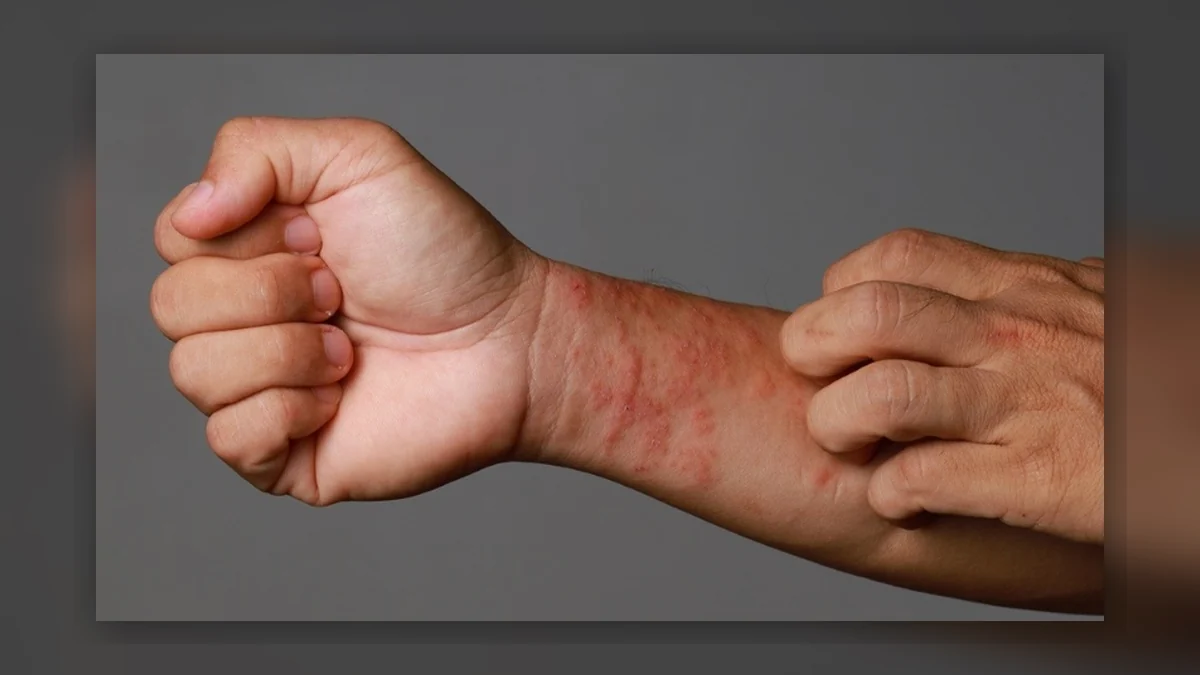
For anyone in construction or decorating, your hands are your most-used tool, which is exactly why skin damage is such a common and under-reported problem in the trade. Occupational skin disease, mostly contact dermatitis, remains one of the most frequently reported work-related ill-health conditions in construction according to HSE data, and it's largely preventable with the right handling of materials and the right gloves for the job.
What's actually happening to the skin
There are two main mechanisms at play, and they need different responses:
Irritant contact dermatitis is the most common type on site. It's caused by repeated contact with substances that physically damage the skin's protective barrier, things like wet cement, plaster, solvents, thinners, and repeated hand-washing or wet work. Wet cement is a particular risk because it's caustic (highly alkaline) and can cause chemical burns with prolonged skin contact, not just dryness and cracking.
Allergic contact dermatitis develops when the immune system reacts to a specific substance the skin has been sensitised to over time, commonly chromate in cement, epoxy resins, isocyanates in some adhesives and paints, or certain preservatives. Once sensitised, even brief future contact with that substance can trigger a reaction, which is why prevention matters more than treatment once it develops.
Both present similarly: redness, dryness, cracking, itching, blistering, or thickened skin, usually on the hands and forearms where contact is highest.
Prevention: what actually reduces risk on site
Glove selection matters more than glove use. Not all gloves protect against all substances; a glove rated for mechanical protection (cuts, abrasion) won't necessarily protect against chemical permeation from solvents or resins. Check the glove's EN 388 (mechanical) or EN 374 (chemical) rating against the specific hazard you're handling, not just whether it "looks tough enough."
Barrier creams are a supplement, not a substitute, for gloves. They can help but shouldn't be relied on as the primary protection where gloves are practical.
Wash properly, dry thoroughly. Frequent washing with harsh soap strips natural oils and worsens irritant dermatitis. Use mild, pH-neutral cleaners where possible, and dry hands fully, including between fingers, since damp skin is more vulnerable to irritants and less effective as a barrier.
Moisturise at the end of the working day, not just when skin already feels dry. Applying an emollient regularly helps rebuild the skin barrier before damage becomes visible.
Check hands and forearms regularly. Early-stage dermatitis (mild dryness, slight redness) is far easier to reverse than established, cracked, weeping skin. A five-second visual check at the end of a shift catches problems before they become a lost-time issue.
When to report it
Under RIDDOR (the Reporting of Injuries, Diseases and Dangerous Occurrences Regulations), employers have a duty to report certain work-related skin conditions diagnosed by a doctor, including occupational dermatitis linked to a specific workplace substance. If you're self-employed or running a small crew, it's worth knowing this applies to you too, not just larger contractors with a dedicated safety officer.
See a GP or occupational health provider if skin problems persist beyond a few days of reduced exposure, spread beyond the initial contact area, blister, weep, or start affecting your grip and ability to work. Early diagnosis and a change in materials handling or glove type can prevent a short-term irritation becoming a long-term sensitisation that ends a trade career.
---