Arctic Hayes by DiversiTech UK is telling the plumbing and heating trade to get stocked up early, on the basis that the exceptionally strong El Niño event developing in the Pacific is set to push UK weather milder, wetter and stormier from October onwards.
The supplier's argument is a supply-chain one aimed at merchants, but the practical read-across for anyone holding a set of spanners is straightforward: this is a call sheet for the categories likely to be short when everyone wants them at once.
What Arctic Hayes expects to move
The company says it is braced for an upsurge in:
- Drainage kits, pumps and gauges
- Leak detection solutions
- Water damage prevention products
- Boiler servicing, emergency call-outs and heating repairs
- System protection and maintenance products
- Power outage backup measures, gas safety and carbon monoxide products, smoke and heat detection
Lee Parsons, UK Business Unit Director at Arctic Hayes, framed it as an unprecedented combination of hotter summers, wetter winters and more extreme variability, affecting almost every product category across plumbing, heating, drainage, ventilation and safety.
The flash flooding mechanism is the bit worth understanding
The specific risk Arctic Hayes flags is not simply "more rain". It is heavy rain landing on ground baked hard by a very dry summer.
Dry, compacted soil — particularly clay — develops a hydrophobic surface layer and a network of shrinkage cracks. Water arriving fast does not infiltrate; it sheets off, overwhelming gullies, soakaways and surface water drains that were sized on the assumption the ground takes some of the load. The result is flash flooding in places that do not normally flood, and it hits hardest in the first significant downpour after a drought, before the ground has had time to rewet properly.
For trades, that translates into a specific and predictable failure pattern:
- Blocked and overwhelmed gullies where summer debris has accumulated and nothing has flushed it through.
- Soakaways failing because surrounding ground is not accepting water at the design rate.
- Ground movement on clay soils as heavily shrunk ground rehydrates and heaves — the classic route to cracked underground drainage runs and pulled joints.
- Ingress at ground level in properties where surface water is now running where it did not previously.
Practical preparation
Drainage and clearance kit. Drain rods, plunger sets, drain cameras and jetting attachments are the first things to disappear from merchant shelves when the weather turns. If you take drainage call-outs at all, this is the month to check what you actually have and replace what is worn.
Pumps. Submersible and puddle pumps for standing water, and a working knowledge of the difference — a puddle pump will clear down to a few millimetres, a standard submersible will not. Worth having one of each if you cover flood call-outs.
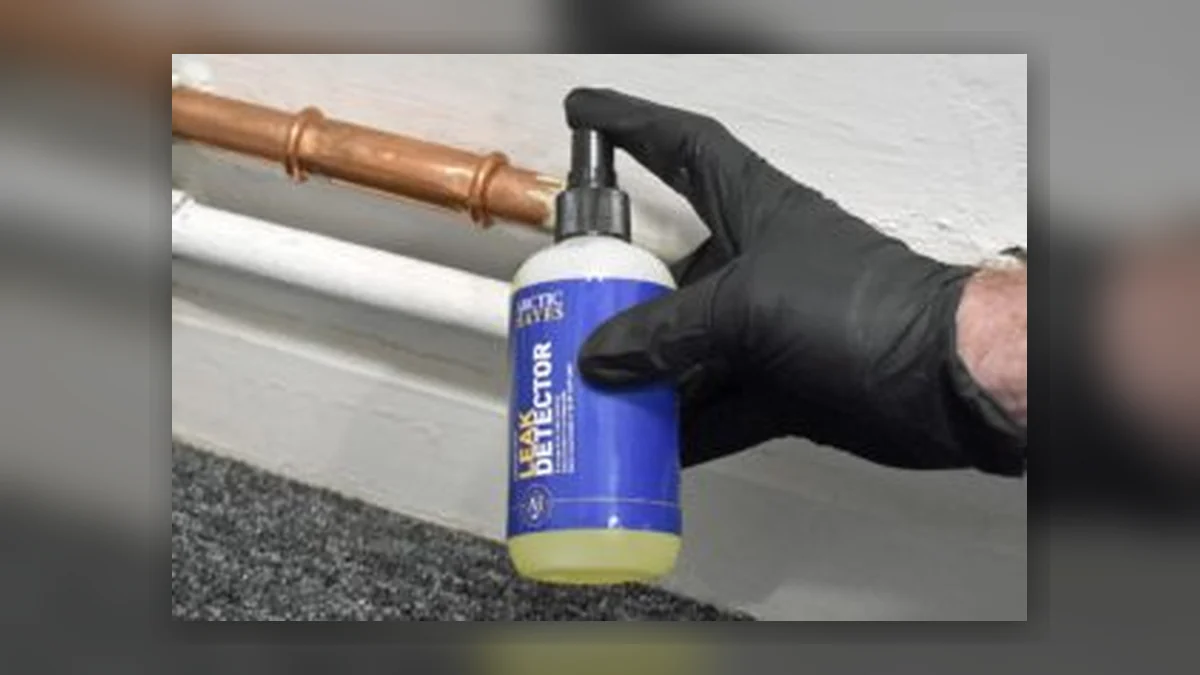
Leak detection. Acoustic listening equipment, thermal cameras and tracer gas kit all move slowly in normal conditions and quickly in a wet winter. Anything requiring calibration or consumables needs sorting before demand peaks.
Test gauges and system protection. Pressure test gauges, manometers, inhibitor and system filters — the maintenance-side categories that come with a wet-winter uptick in boiler and heating work.
Detection and safety products. Increased use of temporary heating and generators during outages drives carbon monoxide risk. CO alarms, and smoke and heat detection, sit in the same seasonal bucket.
The caveat
This is a supplier forecast, and the commercial interest is obvious — Arctic Hayes sells almost every category on the list. Take the demand prediction as a stocking signal rather than a meteorological finding. The underlying El Niño forecast is independent of the company; the specific claim that it produces a busy quarter for UK drainage work is a reasonable inference rather than an established fact.
Parsons also looks further ahead, expecting summer 2027 to be hotter than the one just endured, with correspondingly higher demand for portable air conditioning, ventilation and water conservation products. That is a longer bet and worth less weight.
Watch for: whether the Met Office autumn and winter outlooks align with the El Niño-driven forecast, and whether Q3 PHMI merchant volume data shows any recovery in the drainage and emergency categories.
---