
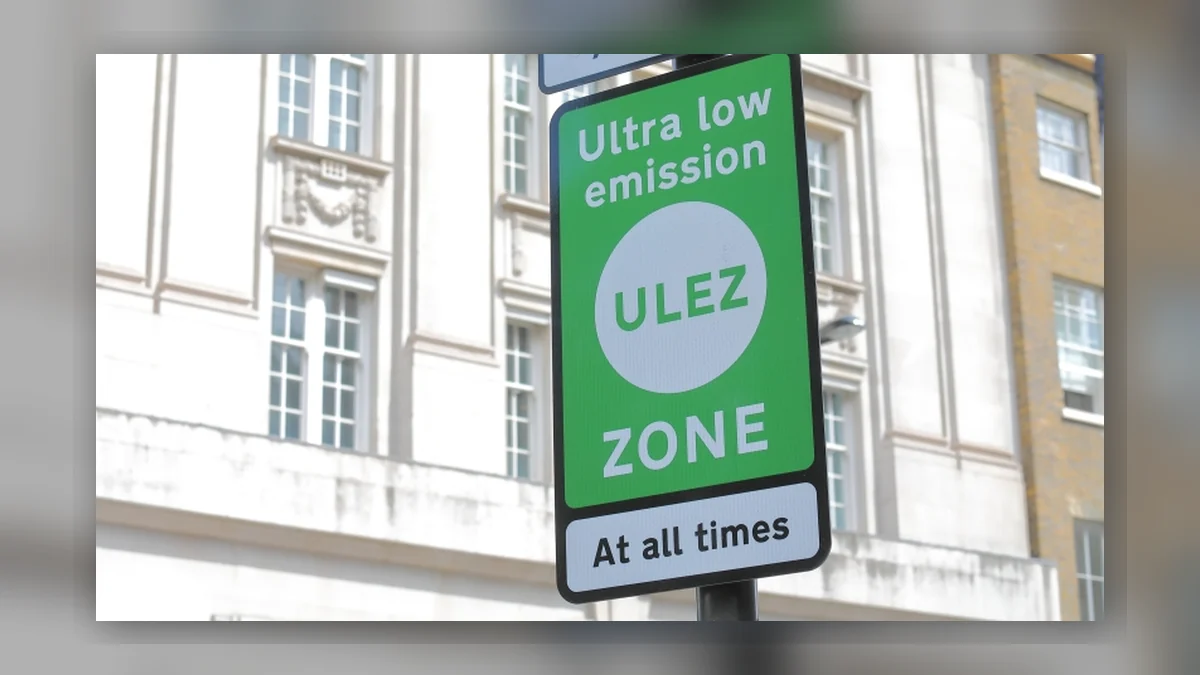
UK van drivers are spending an average of £780 per year, or £65 per month, on fees and penalty charges from Low Emission Zones and Clean Air Zones. The figure comes from research by Peugeot, which put numbers to a cost that many trades know exists but few have sat down to total up.
For trades working regularly in or through UK cities, Clean Air Zone charges have become a recurring overhead that sits somewhere between fuel and insurance in terms of annual impact. Unlike fuel costs, which fluctuate with usage, CAZ and LEZ charges are largely fixed by route: if your work takes you into an affected zone in a non-compliant van, the daily charge applies regardless of how long you are in there.
The London effect
London van drivers face the sharpest exposure, paying an average of £99 per month, or approximately £1,200 per year, in charges. That reflects the combination of the ULEZ (Ultra Low Emission Zone) covering a wide area of Greater London, the Congestion Charge in the central zone, and the potential for additional charges depending on route and vehicle type.
For a sole-trader electrician or plumber doing domestic work across several London boroughs per week, the annual charge could exceed the Peugeot average if multiple daily trips trigger charges.
What drives the charge
The charge depends on the vehicle's emission standard, not how new it looks. Euro 4 petrol vans (generally pre-2006) and Euro 6 diesel vans (generally pre-September 2015) fail to meet ULEZ standards and are charged. Vans that meet the standard are exempt from the ULEZ charge.
The challenge for tradespeople who bought their van several years ago and are not yet ready to replace it is that the compliance threshold is fixed to the vehicle's engine standard, not to any retrofit that can easily be applied.
Implications for tool and van investment decisions
For trades working regularly in charge zones, the annual charge figure now competes with the financing cost of a newer, compliant van. A five-year finance agreement on a new Euro 6 diesel or fully electric panel van at current market rates will have a monthly cost, but so does staying in a non-compliant vehicle. The break-even point is worth calculating for individual circumstances.
Vehicle choice increasingly sits alongside tool choice in the financial planning of a trade business. A van that is cheaper to buy but costs £1,200 a year in charges may not be the most cost-effective option for a London-based tradesperson over a three-year period.