
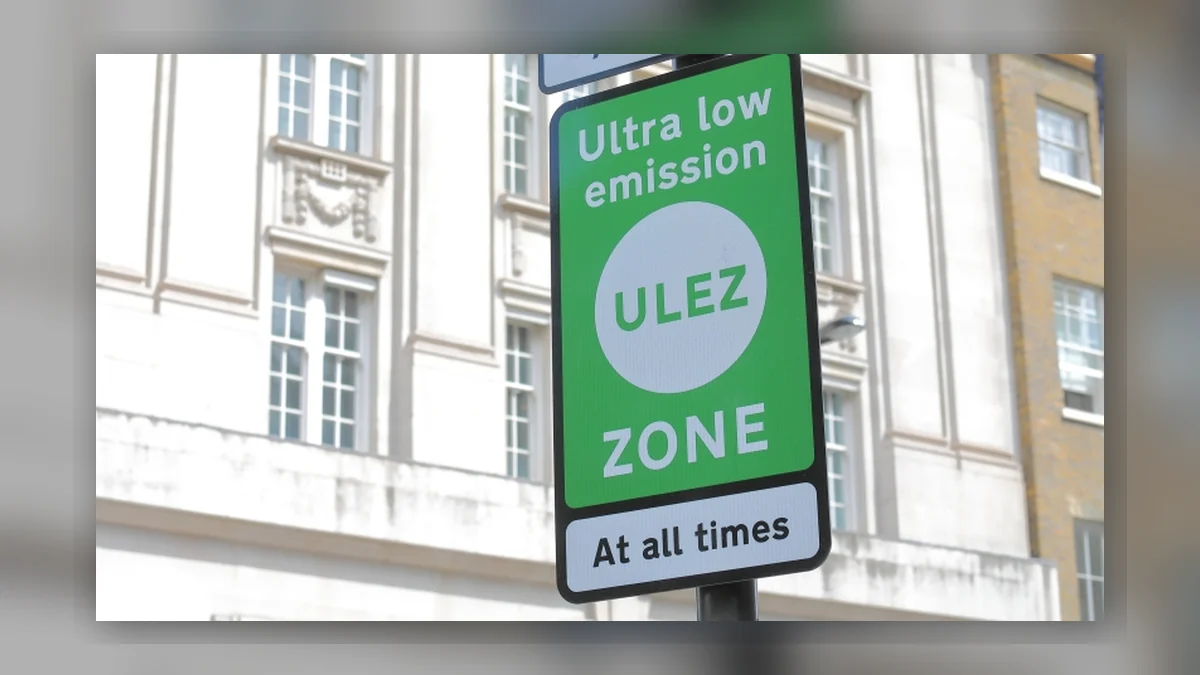
Research by Peugeot has put the average annual cost of Clean Air Zone and Low Emission Zone charges for UK van drivers at £780, or £65 a month — a running cost that lands squarely on trades operating older diesel vans in and around city centres.
The regional split
The averages hide a wide spread:
- London: an average £99 a month, close to £1,200 a year — the highest in the UK.
- Tyneside (Newcastle and Gateshead): around £82 a month, or £984 a year.
- Other UK zones: lower, because the daily rate is lower.
The reason London and Tyneside sit at the top is the daily charge itself. Both apply £12.50 per day to non-compliant vans, against roughly £8 to £10 in the other zones.
Separately, Freedom of Information responses cited in the research show 12 of the 13 councils operating these zones have taken a combined total approaching £1.5bn from launch to 31 March 2026.
What this means for a trade business
The figure that should concentrate the mind is £780 as a *recurring, non-recoverable* cost that produces nothing. For a sole trader or small firm, that is roughly comparable to a decent cordless kit, or a meaningful chunk of a year's van insurance, going out of the door for the privilege of driving into work.
Three practical points:
1. The charge is per day, not per trip. If you are in and out of a zone three times on a busy day, you pay once. Batching zone work into fewer days is the cheapest available saving and costs nothing to implement. 2. Compliance, not avoidance, is the durable answer. A Euro 6 diesel or Euro 4 petrol van is exempt from the standard CAZ and ULEZ charge. If a van replacement is on the horizon anyway, the CAZ arithmetic shortens the payback considerably — £780 a year of avoided charge is real money against a monthly finance payment. 3. Check the zone rules before you quote. CAZ classes vary by city: some zones charge vans, some do not. Pricing a job in a charging city without adding the daily charge to the quote means absorbing it out of margin.
The caveat
This is manufacturer-commissioned research from a van maker, and a van maker has an obvious interest in the conclusion that older vans are expensive to run. The underlying inputs — the published daily charges and the FOI revenue figures — are verifiable; the averages depend on the survey's assumptions about how often drivers enter zones. Treat the direction as solid and your own mileage pattern as the number that actually matters.
---