
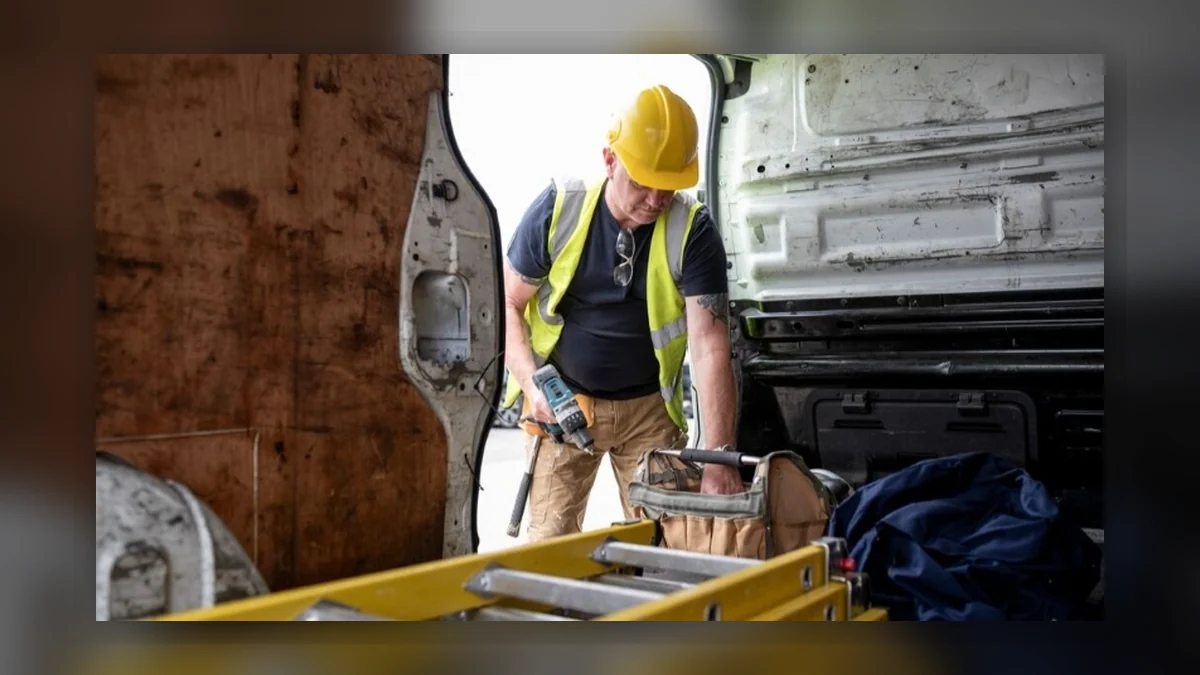
A quarter of UK tradespeople now say tool theft is among the biggest causes of stress and poor mental health in their working lives. That is the finding of new research covered by Professional Builder, citing data from rural insurer NFU Mutual, and it paints a picture of a problem that goes far beyond the cost of replacing a stolen drill.
---
Beyond the Insurance Claim
When a van gets broken into overnight, the immediate hit is obvious: thousands of pounds worth of kit gone, a day or more off work to deal with police reports, replacements to source, and a job that cannot start on time. But the research highlights something that often goes undiscussed: the ongoing anxiety that follows.
Tradespeople who have been targeted once tend to stay on alert constantly afterwards. Some report checking the van through the night, changing parking routines, or avoiding certain jobs because the location feels too exposed. That level of sustained stress has a cumulative effect, and the data now confirms it.
For some, the financial and psychological toll has become the deciding factor in whether to continue trading at all.
---
The Scale of the Problem
Tool theft across the UK runs into tens of thousands of incidents every year. Vans are the primary target, with thieves using relay attacks on keyless entry systems, jacking vans to access underbody storage, or simply breaking windows for opportunistic raids. The tools themselves are resold through online marketplaces or exported, making recovery rare.
The mental health dimension sits alongside an already challenging backdrop for many tradespeople. Rising material costs, delayed payments, and labour shortages have been consistent pressures in recent years. Tool theft adds a random, personal dimension to those pressures that feels harder to plan around.
---
What Tradespeople Are Doing About It
The most common protective measures include:
- Van security upgrades such as deadlocks, slam locks, and reinforced door hinges that resist lever attacks
- GPS trackers fitted to high-value tools and to the van itself
- Overnight removal of tools into a garage or secure premises when the job allows
- Marking and registration through schemes that tie tools to a verifiable identity, making them harder to resell
Tool-marking services allow tradespeople to register serial numbers and apply forensic marking to equipment. Police forces and second-hand traders increasingly check against these databases, which reduces the resale appeal and, in theory, the incentive to steal.
Insurance is a necessary safety net but it does not solve the problem. Premiums rise after claims, excesses are often high, and some policies do not cover all scenarios, particularly when tools are left in an unattended vehicle. Reading the policy carefully before a claim rather than after remains important.
---
Why This Matters for the Industry
Experienced tradespeople leaving the sector because of crime represents a skills and capacity loss that is difficult to replace. Training a competent plumber, electrician, or carpenter takes years. If the working conditions created by unaddressed tool theft accelerate the number of people walking away, the longer-term workforce implications are significant.
Industry bodies including the National Federation of Builders and various trade associations have repeatedly called for stronger enforcement, better coordination between online marketplaces and law enforcement, and clearer secondary sale regulations. Progress has been slow.
---
How can I protect my tools from theft?
Does van insurance cover stolen tools?
What is forensic tool marking?
Is tool theft reported to police worth doing?
What mental health support is available for tradespeople?
Source
- Professional Builder: Tool theft driving tradespeople out of the industry
- NFU Mutual tool theft research (cited in above)