
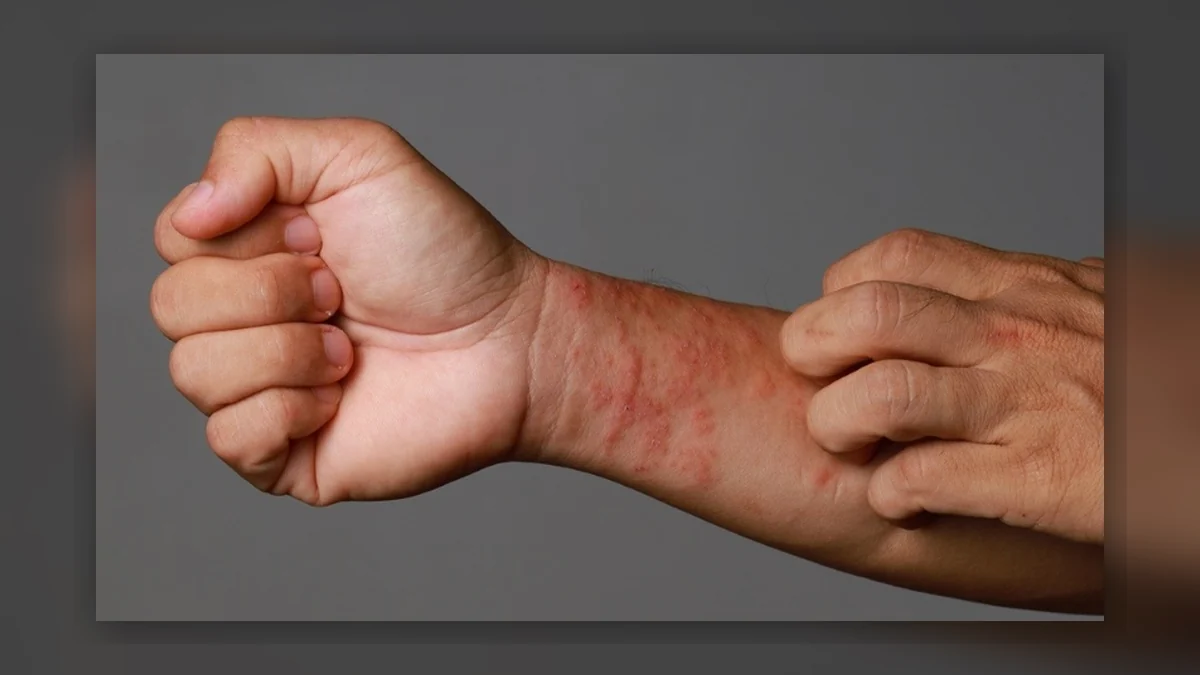
For most tradespeople, hands are the primary working tool. Their condition directly affects the ability to work, maintain grip, and stay in the trade over a full career. Occupational skin disease is recognised by the Health and Safety Executive (HSE) as a significant issue across UK construction and decorating, yet it receives far less routine attention than fall prevention or dust exposure. Understanding the risks costs far less time than a skin condition that forces time off work.
---
Wet Work and Contact Dermatitis
Contact dermatitis is one of the most common occupational skin conditions among UK tradespeople. It occurs when the skin's natural protective barrier breaks down through repeated contact with substances that irritate or damage it. Wet work is one of the principal drivers. The HSE defines wet work as any task that keeps the hands in contact with water or liquids for more than two hours per day. This covers plastering, tiling, concreting, screeding, and any job that involves extended use of water-based cleaning products.
When skin is repeatedly wetted and then dried, the outer layer loses the natural lipids that hold it together. Over time this produces dryness, cracking, and a dermatitis response that can make even moderate physical work painful. Left unmanaged, the condition can become chronic and require prolonged medical treatment.
---
Chemical Risks: Cement, Adhesives, and Solvents
Beyond wet work, a number of materials in everyday use on UK sites carry specific chemical risks to skin. Cement is one of the most significant. Wet cement is highly alkaline, and prolonged skin contact can cause chemical burns. The important and often overlooked detail is that the reaction is not always immediate. Skin in contact with wet cement may feel unaffected at the time, but a chemical burn can develop hours later. Working with knees or forearms resting against wet concrete is a recognised route to serious injury for this reason.
Adhesives, epoxy resins, and solvents used in flooring, tiling, and decorating work can cause sensitisation over time. Sensitisation is a process where repeated low-level exposure to a substance eventually triggers an allergic response. Once sensitised, even small subsequent contact with that material can cause a significant reaction, and the sensitisation cannot be reversed.
---
Sun Exposure for Outdoor Trades
Roofers, groundworkers, scaffolders, and other trades working outdoors face a different category of skin risk: cumulative UV exposure. Outdoor trades carry among the highest rates of UV exposure of any UK occupational group over a working lifetime, and cumulative sun damage is a recognised cause of skin cancer.
The practical steps are well established. Use SPF 30 or higher sunscreen on all exposed skin before starting work and reapply during the day, particularly in direct sun over extended periods. Cover arms where the task allows it, and wear a hat. The risk applies year-round in the UK, not only during summer or on visibly sunny days. UV radiation reaches the skin on overcast days at levels sufficient to cause cumulative damage.
Any changes to existing moles or new patches of changed skin should be assessed by a GP promptly rather than monitored over time.
---
Practical Protection on Site
The standard approach to skin protection at work involves three stages: a barrier cream applied before starting work, gloves selected to match the specific hazard, and a moisturiser or skin conditioner used at the end of the working day to help restore the skin barrier after a day of exposure.
Barrier creams provide additional protection on areas that gloves do not cover and work alongside gloves rather than as a replacement for them. Glove selection matters: latex gloves can themselves cause sensitisation in some individuals, and for wet cement work, longer gauntlet-style gloves provide the coverage needed to protect the forearm as well as the hand.
---
FAQs
Q: What is contact dermatitis and why is it common in construction? A: Contact dermatitis is inflammation of the skin caused by repeated contact with irritants or allergens. It is common in construction because the work involves regular exposure to wet conditions, cement, adhesives, solvents, and other substances that damage or sensitise the skin over time. The condition can develop gradually, which is why early protective habits are more effective than treatment after symptoms appear.
Q: What is wet work and which trades are most affected? A: Wet work is any task that keeps the hands in contact with water or liquid for more than two hours per day. Trades most commonly affected include plasterers, tilers, screeding operatives, concreters, and anyone whose work involves extended use of water-based cleaning products. Plumbers and painters can also be at risk depending on the nature of their daily tasks.
Q: Is cement dangerous to skin? A: Yes. Wet cement is highly alkaline and can cause serious chemical burns to skin, including delayed reactions that develop hours after exposure. Waterproof gloves should be worn when handling wet cement, and any cement that contacts skin should be rinsed off promptly with clean water. Prolonged contact, even without immediately visible damage, should be treated as a potential burn risk.
Q: How can outdoor tradespeople reduce their skin cancer risk? A: Use SPF 30 or higher sunscreen on all exposed skin and reapply through the working day, particularly in summer months. Cover arms where the task permits and wear a hat to reduce direct UV exposure to the face and neck. Be aware that UV is present year-round in the UK, including on overcast days. Any new or changing skin lesions, moles, or patches of unusual skin should be assessed by a GP without delay.
---
- Professional Builder: *How to Handle Workplace Skin Problems*, pbweekly.co.uk/how-to-handle-workplace-skin-problems
- Health and Safety Executive: *Skin at Work*, hse.gov.uk/skin